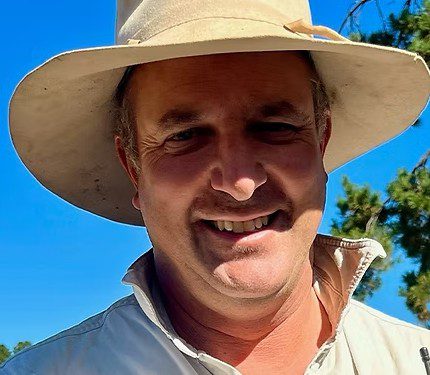
Angus Hobson to chair Future Flock national advisory panel
SHEEP Producers Australia has defended the skills-based makeup of its Future Flock national advisory panel.
The peak sheep meat farmer body yesterday announced the Future Flock panel will be led by New South Wales sheep meat and beef producer, chair Angus Hobson.
Other panel members have been drawn from across Australia, with none currently sitting on peak commodity body or state farming organisation boards.
The other panel members are experienced industry research and development contributor Dr Alex Ball; progressive Merino and meat sheep seedstock breeder and mixed farmer Andrew Bouffler; industry consultant and livestock traceability expert Beth Green; consultant and former Sheepmeat Council of Australia chair Chris Mirams; consultant and former Australian Meat Industry Council CEO, Patrick Hutchinson; live export veterinarian and Livestock Collective founder, Dr Holly Ludeman; agricultural scientist and consultant Sally Martin; rural bank sustainability and environmental executive Lachlan Monsborough, and; progressive Merino breeder Chad Taylor.
SPA said the newly appointed panel brings together an exceptional breadth and depth of expertise, with representatives spanning the sheep meat and wool supply chains. The national advisory panel will oversee the development of The Future Flock, ensuring it is grounded in evidence, informed by producers and industry stakeholders, and aligned with market and community expectations for long-term sustainability, the peak sheep producer body said in a statement.
No organisational representation makeup was deliberate
When asked why there were no state farming organisation representatives on the panel, SPA CEO Bonnie Skinner said the panel is a skills-based group with members appointed for their knowledge and experience across the sheep and wool supply chain, not as representatives of any organisation.
 “SFO’s have been and will continue to be consulted throughout the development of The Future Flock.
“SFOs play a crucial role in state based producer representation and will be directly engaged through formal consultation, briefings and review points as the strategy develops,” she said.
Ms Skinner said the panel deliberately has no representatives from either WoolProducers Australia, board members of other sheep/wool bodies or breeder bodies, nor wool brokers/exporters or sheep meat exporters.
“Yes, the national advisory panel was intentionally designed as a skills-based appointment of individuals across the sheep meat and wool supply chain rather than organisational representatives.
“The role of panel members is to critically examine industry insights, analysis and key issues relevant to the industry and guide the development of the strategy,” she said.
“Any obvious “gaps” in the panel’s composition will be addressed specifically through targeted consultation.
“This is standard practice for any large, industry-wide strategy,” Ms Skinner said.
Ms Skinner said the project by nature requires drawing on expertise from all organisations including peak bodies, exporters, brokers and producer organisations who will be engaged through structured consultation.
“These organisations remain central to shaping the design and development of the strategy.”
When asked if the Merino breeders on the panel being known as progressive non-mulesed advocates might bias panel deliberations on this issue, Ms Skinner said:
“The panel’s purpose is to ensure the strategy reflects the needs, priorities and future direction of the entire industry.
“Individual viewpoints do not determine the outcome,” she said.
“The strategy will be shaped by broad sector-wide consultation across the industry including interviews, workshops and open surveys.
“Right now, sheep producers and farm service representatives can contribute directly via surveys on The Future Flock website, helping to ensure the final strategy reflects the diversity of industry opinion.”
Mr Hobson said the strength of the panel lies in its ability to bring together industry leading perspectives from every corner of the sector.
“The depth and diversity of skills on this panel is extraordinary, we have people who live and breathe every part of the sheep industry – from wool and sheep meat producers, to experts in genetics, processing, supply chain and finance,” he said.
“The panel’s reach and experience are its greatest strengths.” Mr Hobson said.
He said The Future Flock represents a rare opportunity for the sheep meat and wool industries to systematically define and deliver a shared vision.
“The Future Flock will provide a strategic roadmap to bolster the sheep sector’s future prosperity, competitiveness and sustainability.”
Ms Skinner said the quality of applications for the panel was outstanding.
“Such strong interest reflects the industry’s clear desire for a strategic, evidence-based plan to guide our future,” she said.
“The depth of experience and leadership put forward highlights a sector that is engaged, forward-looking and ready to work together on the opportunities ahead.”
WoolProducers was not expecting an advisory panel role
WoolProducers Australia CEO Jo Hall said the peak wool grower body’s concerns with the FFS relates to the lack of detail regarding tangible outcomes, timeframes and source of funding relating to the project.
“We don’t have any comments on the composition of the panel as we are more concerned with the development process of the strategy.”
Ms Hall said WoolProducers was not expecting representation on the panel as it had notified SPA of its formal position on the FFS, which is as follows:
“Due to lack of information and clarity of purpose regarding the Future Flock Strategy (FFS), WoolProducers will not hold any official role in the project, but will consider the provision of information if requested on a case-by-case basis.”
Further information about the panel, its members and upcoming engagement opportunities will be released in the coming weeks. For more information about The Future Flock national advisory panel https://www.thefutureflock.com.au/advisory-panel