Winter is a rough time for herbaceous plants. Most don’t have the tolerance for the extreme cold in upper North America, and many die back in late winter in the South. But if you have time, you can build a December cold frame, hoop house, or covered row to grow even when it’s frigid outdoors.
The key is to ensure you’ve got a good setup for your climate, and to plant crops that enjoy a little cold. Depending on the material your extenders are made of, you can get a full round of winter crops going.
Cold Frames and Hoop Houses

Whether you choose a December cold frame, hoop house, or covered row is up to you. Those in colder areas should choose more secure structures to weather intense cold and wind. Cold frames are easy to build from repurposed materials. Hoop houses, on the other hand, are larger and need securing.
Season extension with a good seal is best for climates with extremely cold winter weather. In milder areas, vent the cover when temperatures are above 50°F (10°C). The interior of the extender can reach 50 degrees warmer than the air outside in direct sunlight. Note this as you decide what to go with.
Make your seasonal extension a part of your current growing space to cut down on costs. As long as what you choose reaches the correct temperature and is easy to adjust, you’re in business.
What to Plant
Go for cool-weather crops in your December cold frame, hoop house, or row. Cold-loving plants can handle a little bit of exposure as you make any necessary adjustments. It’s easy to set something up quickly, only to have to make repairs or batten down the structure.
If you’re in an arctic area, have your structure set up well ahead of winter for best results, and choose the hardiest plants.
Carrots and Parsnips

Both carrots and parsnips like cool soil. Carrots take up to 90 days from seed to harvest, and parsnips require up to 120 days. If you set up your season extender in December, you’ll be ready to harvest your roots in March or April.
These roots are packed with vitamins and minerals, and they’re highly sought after in farmers’ markets. If you want to produce more carrots in less time, look for round or small varieties. Successively sow your seeds every two weeks to have continuous harvests.
Beets

Not only are beets one of the most nutritious crops to eat, but they’re easy to grow, and love a touch of frost. The greens and the supple, earthy roots are edible. Both are great for the early spring market stand. And they’re ready in just over a couple of months.
For farmers who want to bring specialty produce to the market, grow golden beets. ‘Chioggia’ is another great option, with its inner flesh that looks like a target when cut. These take about 55 days to mature.
Radishes

Just like beets, radishes are a great choice for the December cold frame, hoop house, or covered row. They are more sensitive to cold than beets, but they mature much more quickly, making them a viable option in areas where the cold comes on hard and fast.
French breakfast radishes are mild and quick-maturing, ready in 30 days. For a radish that’s robust and spicy, black varieties are your best bet. These often take a little longer – around 50 days.
Lettuces

If you’re in a time crunch, lettuces are perfect for season extenders. Leaf lettuces are especially beneficial in areas where little space is available. Tuck the seeds in between rows of radishes and carrots, and start harvesting them at their baby stage.
For head lettuces, give them a little more room. Space romaine and butterhead at 6 to 12 inches apart for the best results. You’ll have something to harvest in just a few weeks, meaning a succession of lettuces is possible in almost any region.
Hearty Greens
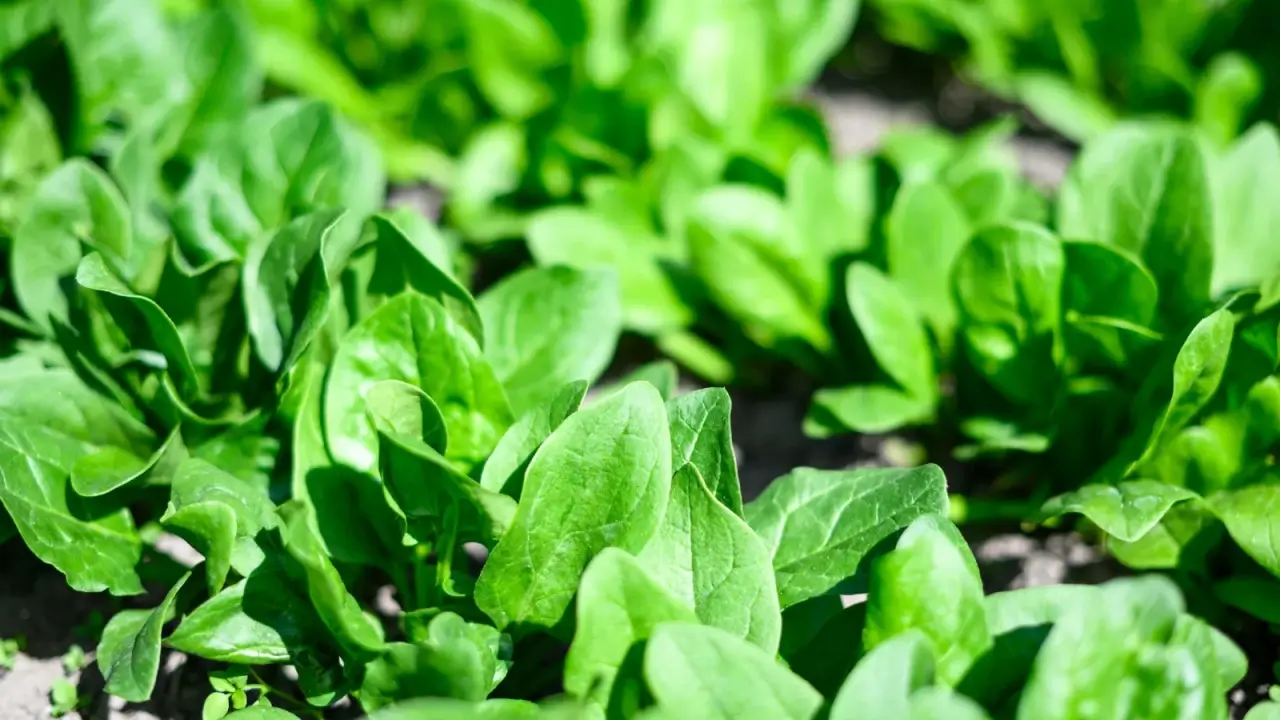
Fill your December cold frame, hoop house, or row with hearty spinach, kale, collards, and mustards. All of these cold-hardy greens sweeten with a kiss of frost. When it gets too cold, pop your hoop cover or cold frame over the top and let them mature.
The days to maturity vary widely depending on what you’re growing and the growth stage you’re harvesting at. Baby kale needs less than a month. The same goes for spinach. A couple of months gives any of these the ability to reach their fully mature stage.
Onions
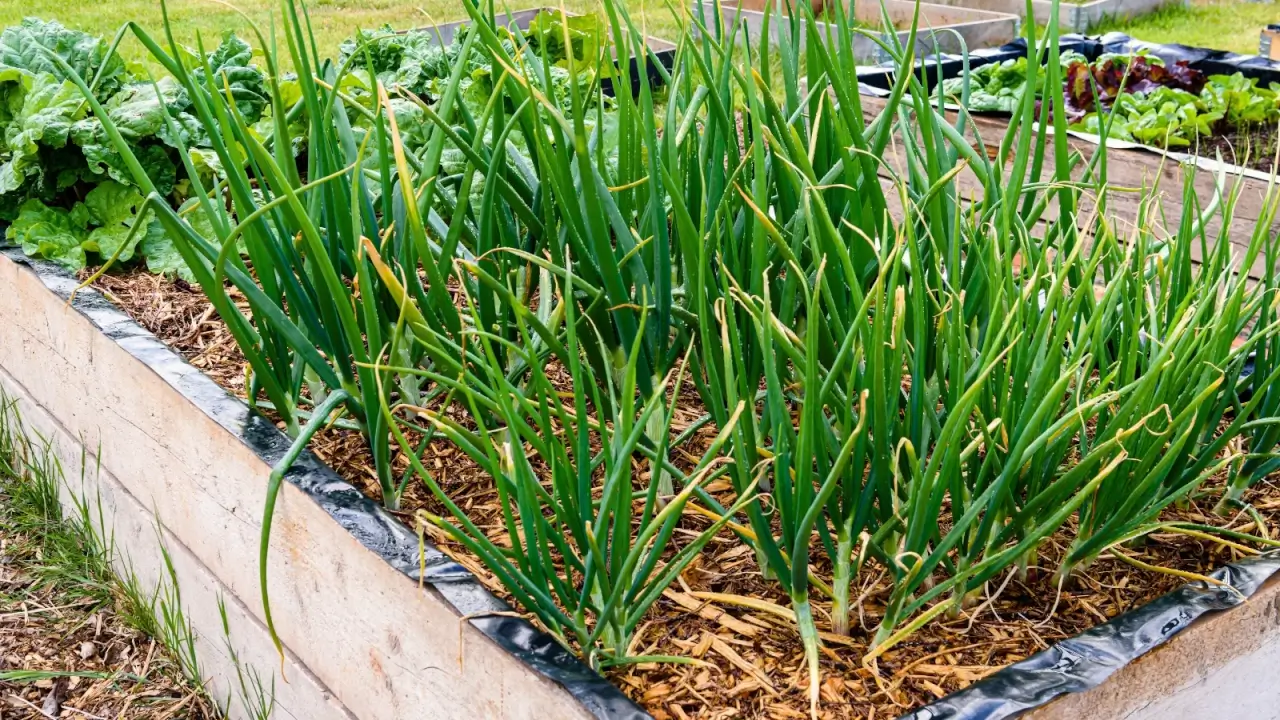
As long as your December cold frame, hoop house, or row can remain above 20°F (-7°C) through winter, you can grow onions. If you want to ensure your success, plant sets if you can find them, rather than seeds. They’ll be ready within 40 to 60 days. Seeds take much longer at about four months.
When you’re deciding which varieties to grow, look for short-day onions. The winter light will not be angled or plentiful enough to support long-day varieties. Sow some lettuce in between to keep the ground warm and covered through the cold.
Broccoli and Brussels
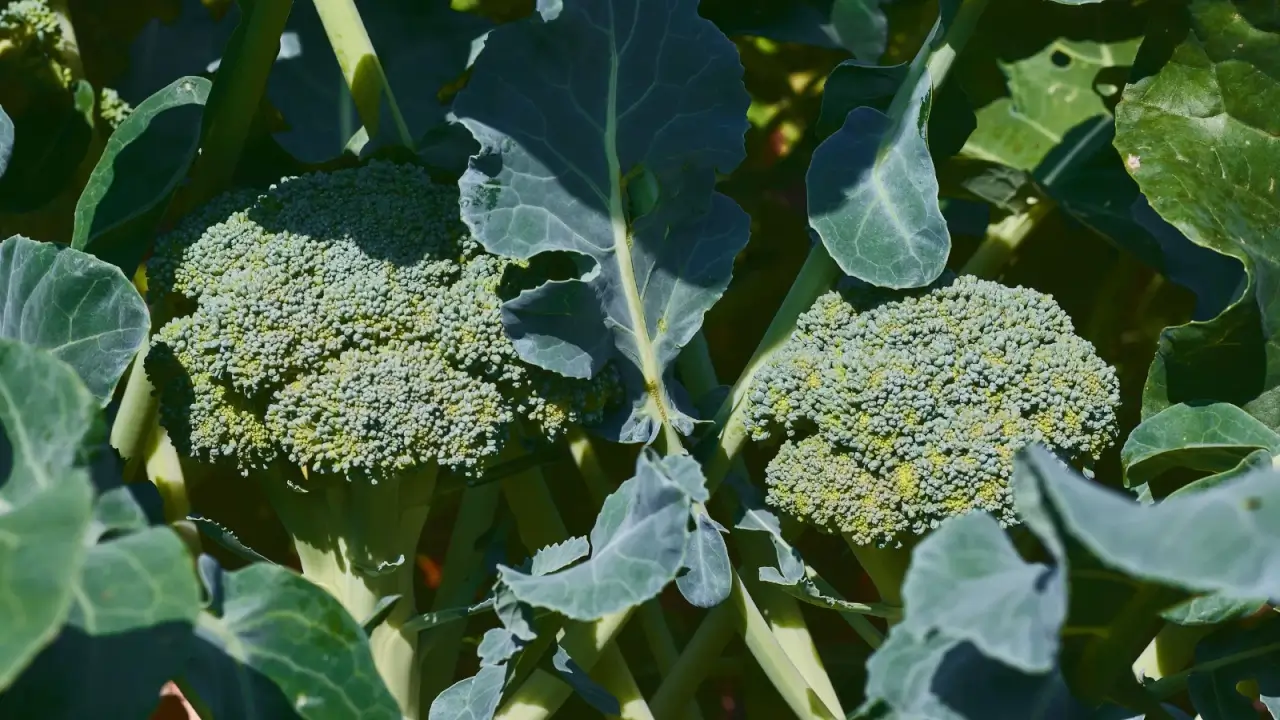
Just as greens are a great choice for the hoop house or cold frame, so are broccoli and Brussels sprouts. Broccoli rabe and aspabroc are ready in 50 days or so, while larger crowns take up to three months. Brussels sprouts take up to three months as well.
Both love some frost, and their flavor sweetens with it. They require a bit of feeding through the cold to produce the best heads. So consider this as you plan out your seasonally extended growing space.
Cool Weather Flowers
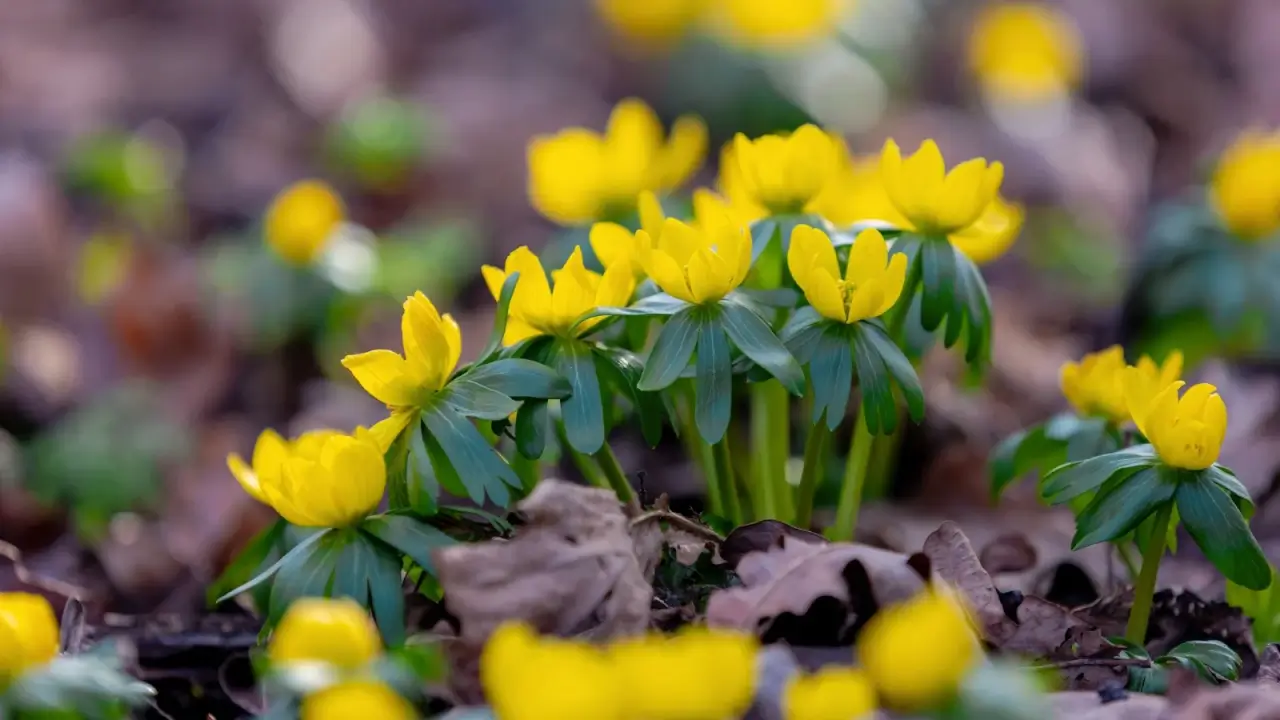
There are too many flowers that love cold weather to list here. But to name a few, there are hellebore, winter aconite, crocus, primrose, pussytoes, and violas. Check the days to maturity on your seed packet and make a plan if you want to grow more than one kind.
Having flowers through winter is not just a boon to your pocketbook, but it also offers a little lightness to the barren, cold season. If yours make it through winter, you can plan for early spring bouquets as a seasonal market item. At the end of winter, harvest them and pop them into buckets of water in cold storage as they await the stand.
Peas
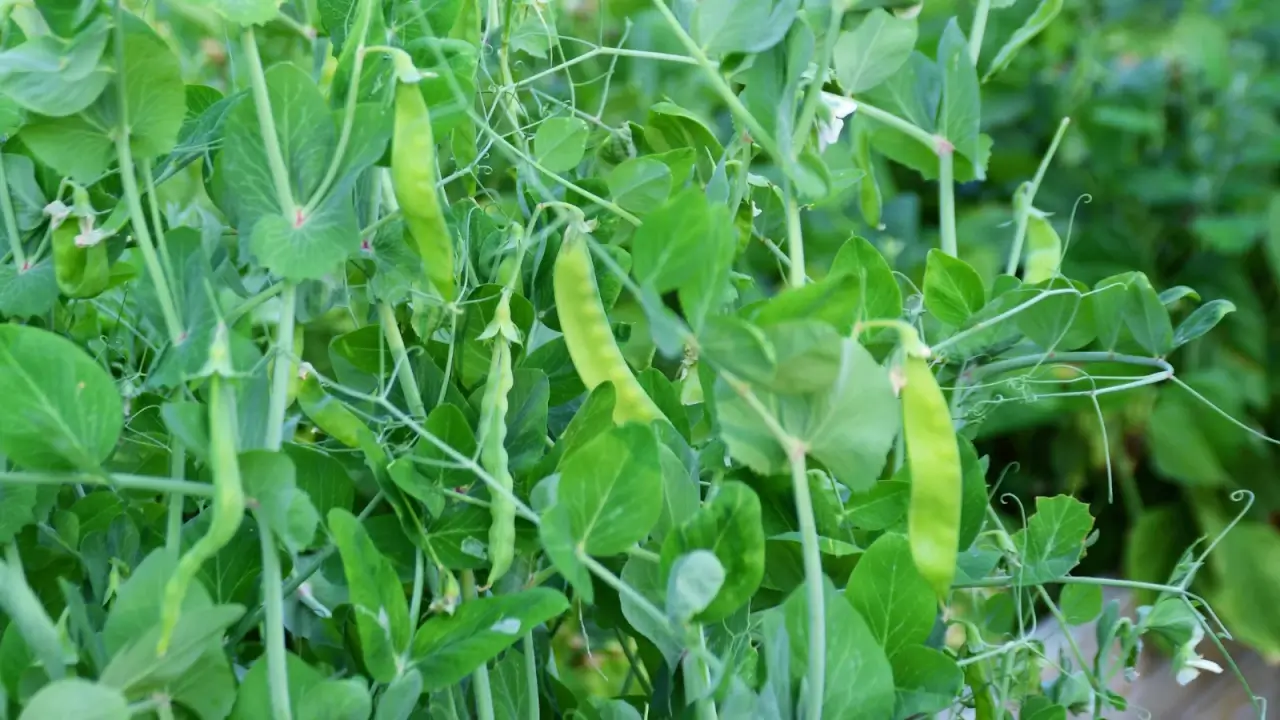
Having a good harvest of fresh peas to sell to local restaurants is great. So grow some in your December cold frame, hoop house, or covered row. If you don’t want to mess with trellises, let them sprawl through the space, or choose a dwarf cultivar.
You need 60 to 70 days from sowing to harvest delicious peas. Shelling peas are more inclined toward cold weather, but snow peas are also cold-hardy. Grow four to five plants for each person you want to feed. If you’re growing for selling, make sure you’ve done the math right for the best results.
How to Build a Cold Frame in 20 Minutes for Under $40
Three easy steps to protect your crops from frost