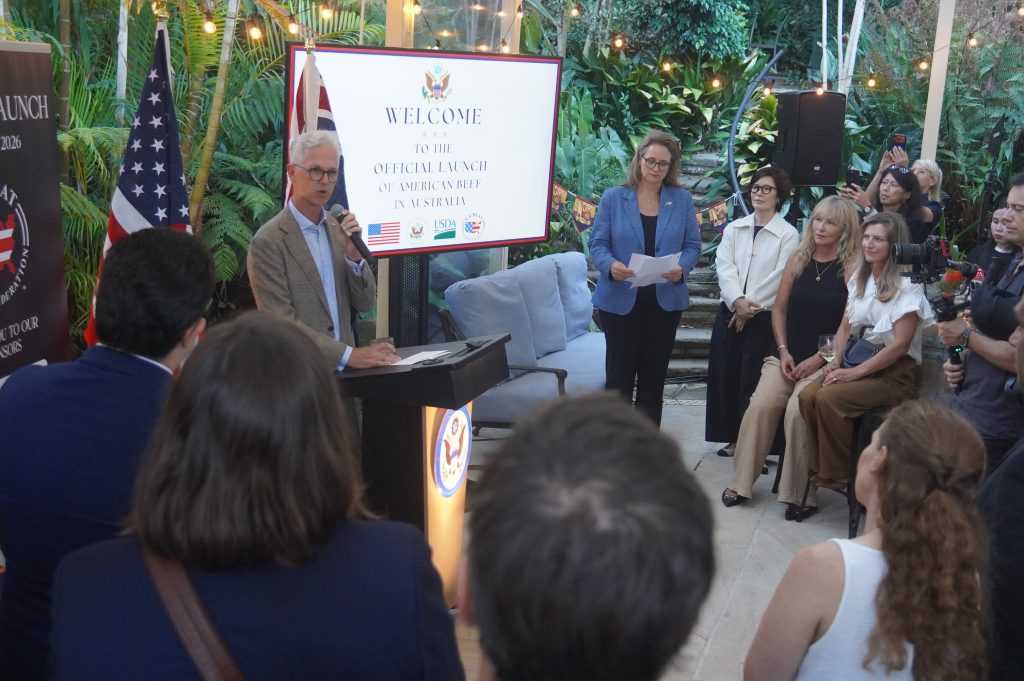
US Consul general Jeremy Cornforth welcomes guests to last night’s US beef re-entry event in Sydney
BEEF from the United States has officially re-entered the Australian market for the first time since 2003, with a ceremony marking the occasion held at the US Consulate in Sydney last night.
At a gathering held by the US Consulate in Sydney, guests enjoyed USDA Choice and Prime grade beef in various forms from rib roast to southern barbecued rib meat and burgers. Suppliers included US processing giant Tyson and Midwest.
The invited guests included people from the red meat trade, wholesalers, restaurateurs and food service industry personnel, influencers, government trade representatives and others.
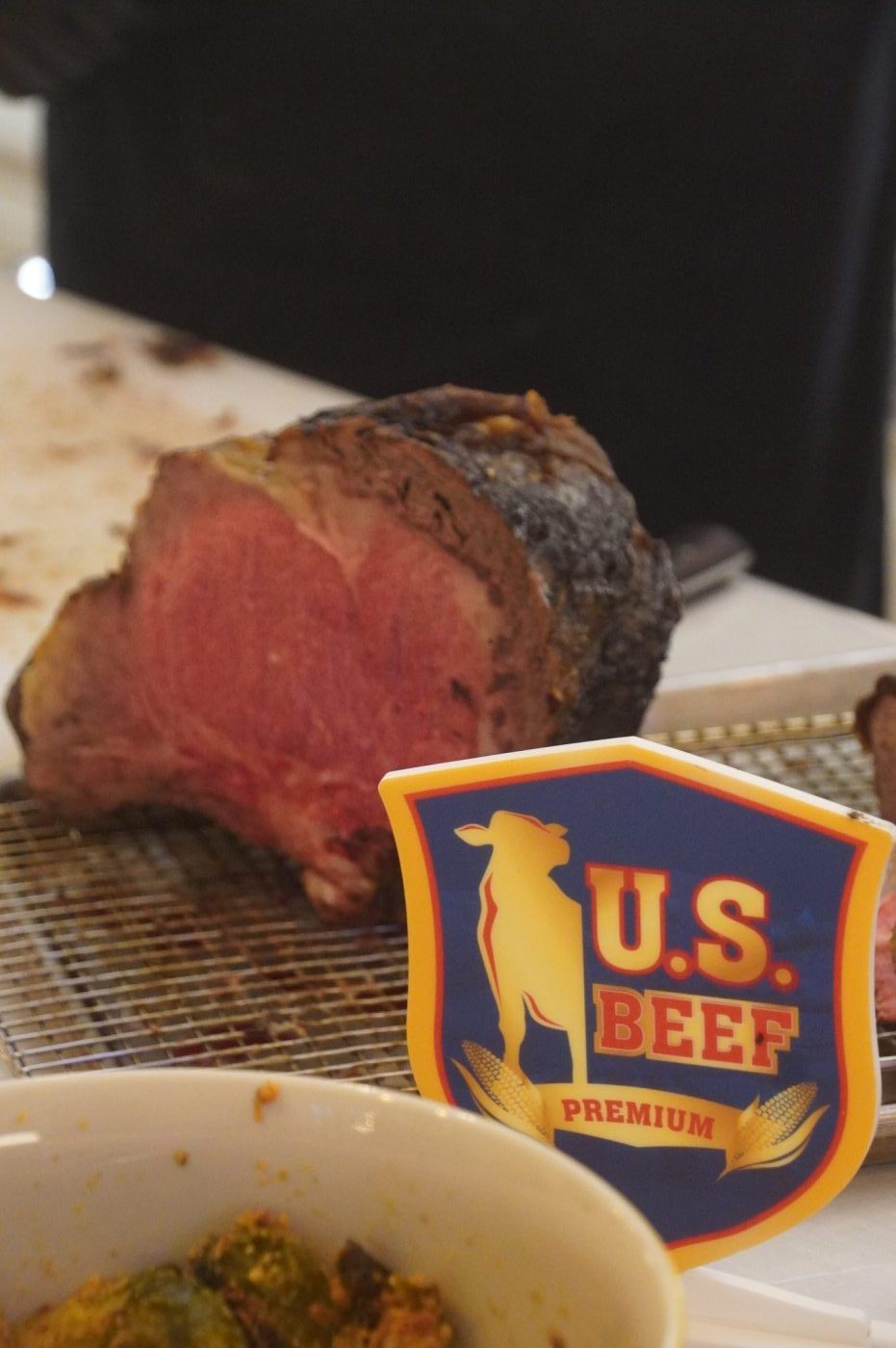
Consul general Jeremy Cornforth told the gathering that US agricultural exports arriving in Australia last year totalled $700 million in value.
“We are looking to expand that partnership tonight,” he said.
The vice president of the US Meat Export Federation Asia Pacific region, Ms Yung, said it was a special moment to celebrate the long-awaited opening of the Australian market for US beef imports.
“This achievement has been years in the making,” she said, thanking USTR and USDA for making the milestone possible.
“Australia has been one of America’s most important trading partners in beef. Last year the US imported 480,000 tonnes of Australian beef, worth about $3.6 billion. Almost 25 percent of Australian beef exports go to the US market,” Ms Yung said.
“Against this backdrop, the long awaited market access for US beef into Australia is profoundly meaningful for us,” she said.
“It represents not only the opening of a border, but the laying of a foundation for a truly win-win trade partnership, allowing both sides to benefit, contribute and grow together.”
“US beef – well known around the world for its high quality grainfed production featuring marbling, savoury flavour and tenderness – now has an opportunity to approach Australian consumers. We believe these unique attributes will be warmly welcomed by Australian consumers, as it has been in so many other global markets.”
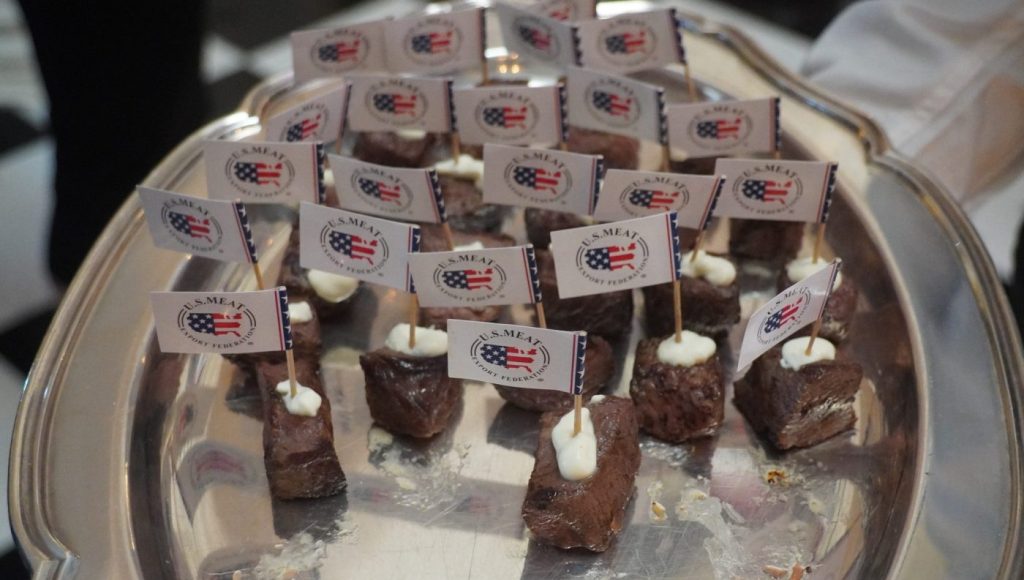
US Ambassador Julie Callaghan said so much work had been put in over the decades by USTR, USDA and others to make the opening happen.
“At last, Australia has recognised, formally, that US beef is safe, and that food safety and animal health requirements are met. Australia joins about a hundred other countries that can have US beef for their consumers.
“At USTR we are taking a look at all our trade relationships to ensure that there is reciprocity – that both sides are benefitting. The US-Australia Free Trade Agreement entered into force in 2005, and it’s so wonderful that US ranchers are at last getting the benefit of the FTA that we negotiated so long ago.”
Ambassador Callaghan said the beef relationship between the US and Australia was “incredibly robust.”
“Australia is an important part of the US beef supply chain. But if you look at the trade balance between the US and Australia, just five years ago, the US had an agricultural trade deficit with Australia of about $1.8 billion. Five years later, it was up to $5 billion, so we are looking now at where there are other opportunities for US agriculture in Australia. We certainly value Australian products, and would like to get our products over here as well.”
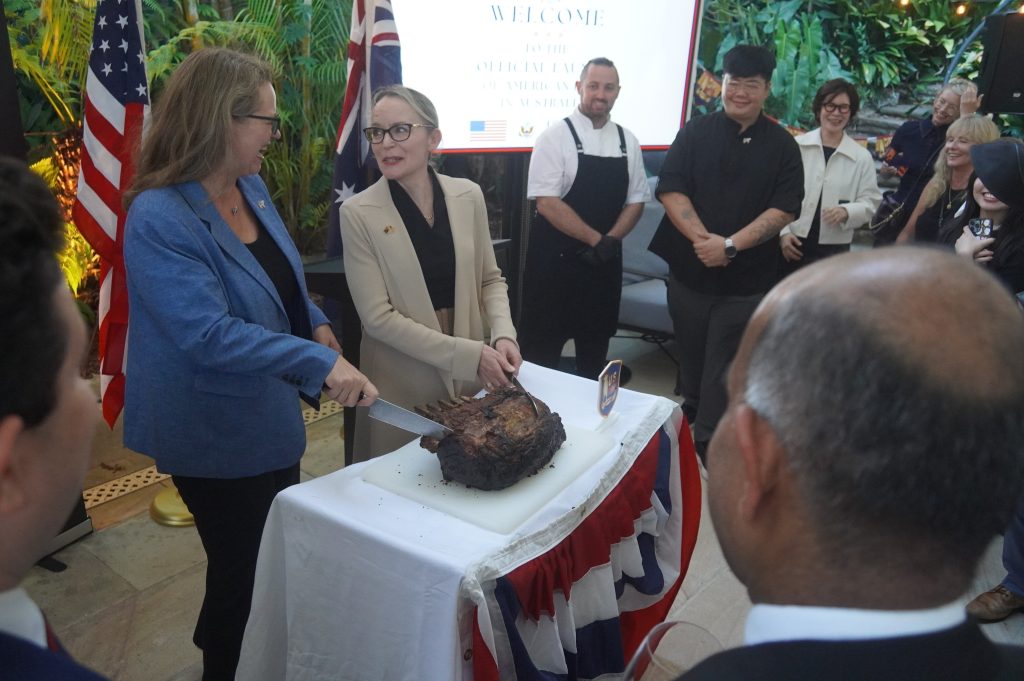
A ceremonial ‘rib-roast cutting’, performed by US Embassy representative Erica Olsen and ambassador Julie Callaghan symbolised the official start to US beef trade into Australia
US Embassy representative Erica Olsen said America had been enjoying Australian beef for decades, and the re-entry for US beef had been decades in the making, at the technical and scientific level, thanking DAFF, DFAT and their US equivalents USDA and USTR for the work that had been done to achieve it.
“Our agricultural trade relationship has only more to grow, and there is more that we can be doing here in Australia,” she said.
“This is a historic trade win for the United States but it is also a historic culinary win for the people of Australia.”
It was originally planned to hold the US beef re-entry celebration towards the end of last year, but the US Government financial supply shutdown (known as a Lapse in appropriations) that happened from 1 October caused a postponement.
Background
In July last year, the Federal Government announced that US beef trade into Australia could resume, after a 22-year absence due to the detection of BSE in the US herd in 2003.
The import protocol and risk assessment process was delayed after US authorities chose to broaden the scope of the application to include not only beef from native US cattle (born, raised and processed in the US) but also to include cattle bred in Mexico or Canada and shipped live across the border before processing in the US.
The beef served at the US consulate last night was in fact not the first US beef consumed in Australia since the suspension was lifted.
The US-based Oceania cruise line held a showcase for the local travel and lifestyle media while one of its vessels was moored in Sydney Harbour on February 9.
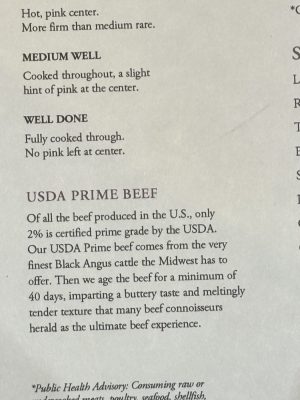
As this image shows, the ship’s menu offering included USDA Prime Graded beef.
How was the cruise line able to do this?
Technically, the beef was not ‘imported’ into Australia, but was consumed as part of what’s called ‘Ships’ Stores’, purchased overseas, which do not need to pass through customs, despite the vessel being berthed in an Australian port. The beef was evidently purchased earlier in the US or another port where US beef is available, and stored on board.
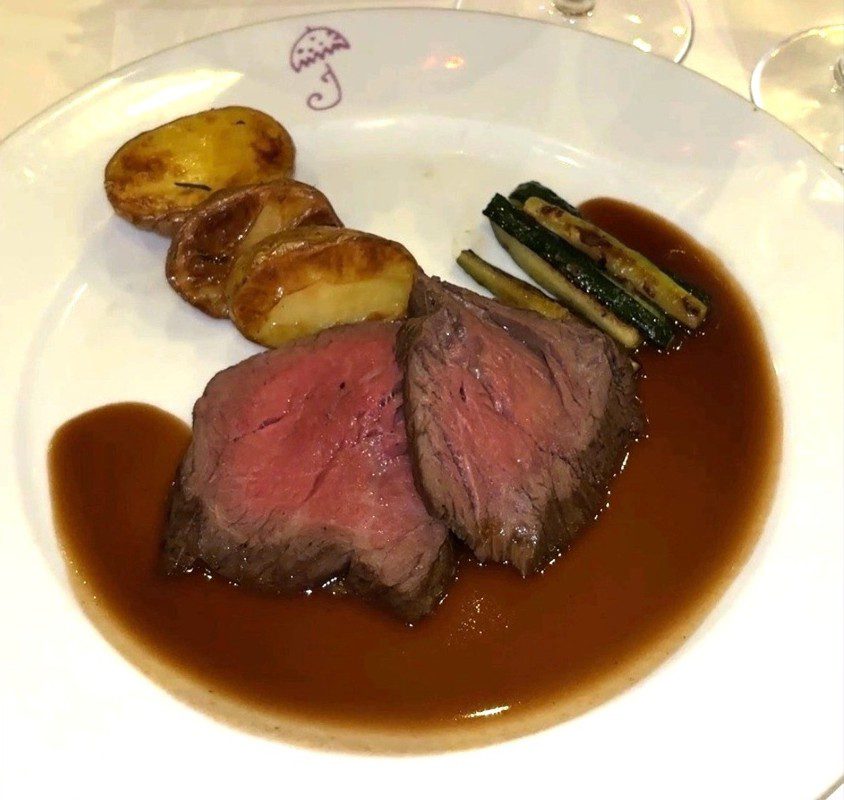
USDA Prime grade beef served on the Oceania cruise line vessel in Sydney Harbour last week.
It’s not uncommon for significant volumes of Australian beef to leave our shores in this way.
Exports of Australian beef classified as ‘Ships’ Stores’ (where no country destination is recorded) last year accounted for more than 700 tonnes, roughly shared between chilled and frozen. Much of that is used for the cruise line industry, as well as for commercial vessels, military and other purposes.