Supplied: Halter
SOUTH Australian livestock producers will soon have access to virtual fencing technology, following confirmation that virtual fencing has been legalised under amendments to the Animal Welfare Regulations 2012.
The change fulfils a commitment by the SA Government and allows manufacturers to seek approval for virtual fencing systems from early 2026, with producers able to purchase or lease approved systems once authorised.
Last week Victoria and New South Wales approved virtual fencing for commercial use, bringing the states in line with Queensland, the Northern Territory, Tasmania and Western Australia.
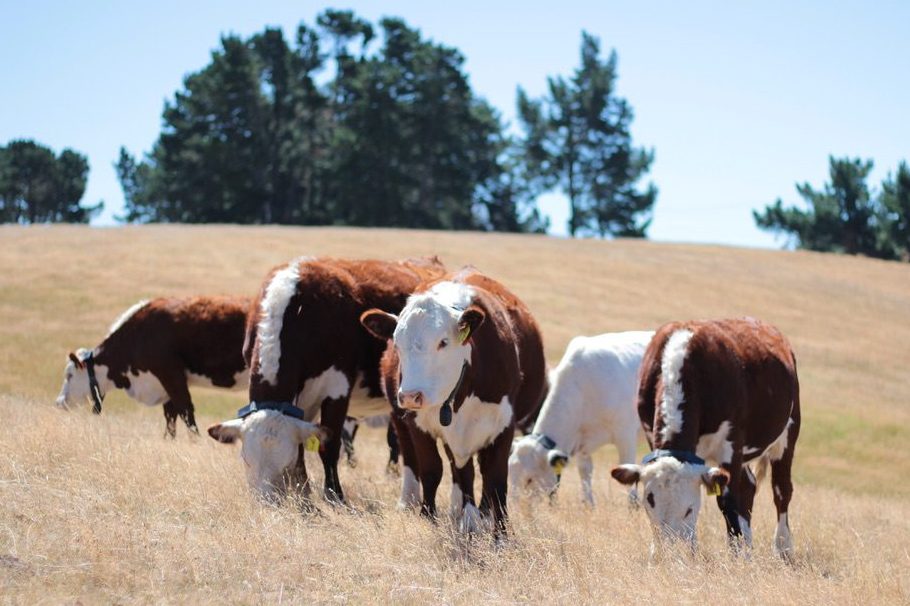
Virtual fencing technology enables cattle to be contained within designated areas using audio cues and low-level electric stimuli, offering producers a flexible tool to improve livestock management, reduce infrastructure costs and protect sensitive environments such as waterways and native vegetation.
Livestock SA Chair Gillian Fennell welcomed the announcement, acknowledging the role of sustained advocacy on behalf of producers.
“We’re very pleased to see the results of strong and persistent advocacy for producers resulting in the legalisation of virtual fencing for South Australia. Livestock SA asked for a result before Christmas, and it’s encouraging to see the Government deliver on that commitment,” Ms Fennell said.
She said producers need access to a broad range of agtech tools to remain competitive while maintaining high standards of animal welfare.
“Virtual fencing is another tool that allows producers to improve productivity and resilience while ensuring animal welfare remains front of mind,” Ms Fennell said.
Livestock SA Chief Executive Officer Travis Tobin said the change represents an important step forward for modern livestock management in South Australia.
“This is a practical, forward-looking outcome for producers. Virtual fencing gives farmers more control and flexibility in how they manage stock and land, while also supporting animal welfare and environmental outcomes,” Mr Tobin said.
“Access to proven technology is critical if South Australian producers are to remain efficient, profitable and adaptable in a changing operating environment.”
Virtual fencing will be approved for cattle management only, with systems assessed against strict criteria to ensure animal welfare protections remain paramount.
Source: Livestock SA