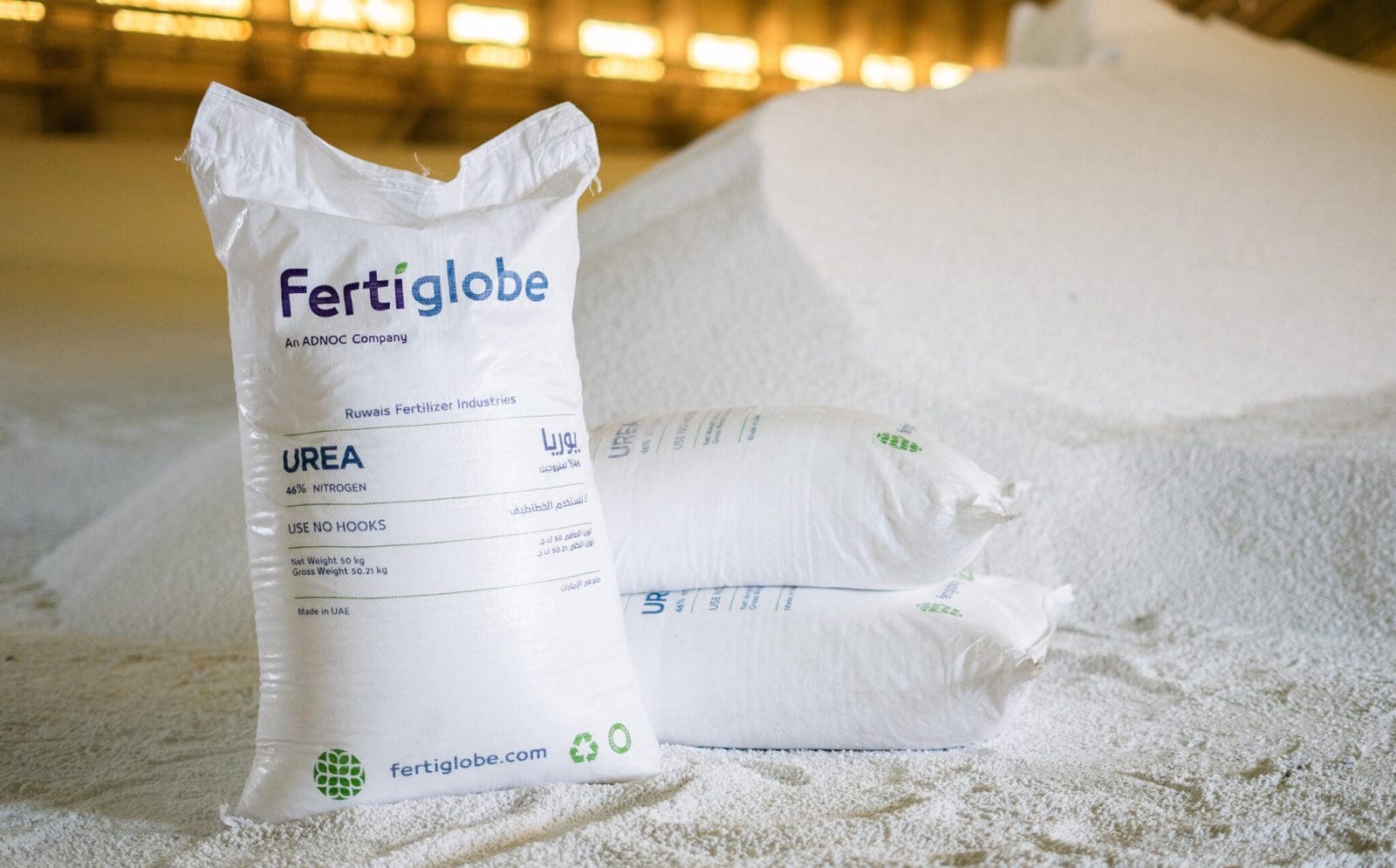
Fertiglobe is headquartered in Abu Dhabi and has production facilities across the Middle East and North Africa. Last year it bought out the distribution assets of Wengfu Australia. Photo: Fertiglobe
MINISTER for Agriculture Julie Collins said fertiliser shortages could hit growers by late May or June if supply chains through the Strait of Hormuz are not restored.
Speaking to ABC News Breakfast this morning, Ms Collins said the Federal Government understood that there was enough “in the country at the moment or on the water on its way here to deal with the initial cropping season”.
“But things do get tight, given that we don’t know how long this might go on if it continues to go on for some time,” Ms Collins said.
She said fertiliser companies advised the government that potential shortages could emerge in about two months.
“Our job as a government, of course, is to liaise with the impacted industries and to work in a considered but urgent way to resolve some of the challenges.
“We’ve been getting intel from the sector, and I do want to thank Australia’s farmers and our farming industry and representatives for the intel that they have been providing to us as a government over the past two weeks.
“I am sitting down and having a meeting today with more than 50 representatives from across the farming sector and agriculture industries today to gather further intel and to get input from them on what is happening on the ground so that we continue to hear daily exactly what is happening on the ground right across the country.
“We’re also, of course, talking to other countries about alternative sources given that a large amount of fertiliser does come through the Middle East through that strait.”
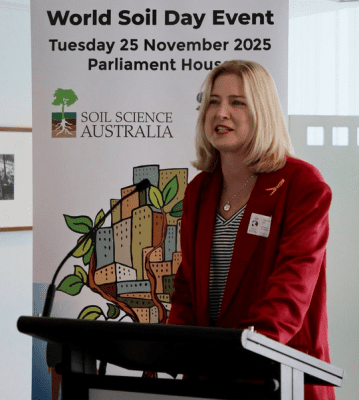
Minister for Agriculture Julie Collins speaking at a November 2025 event. Photo: Julie Collins MP
Ms Collins said a team from the Department of Agriculture, Fisheries and Forestry was undertaking modelling based on information provided by growers.
“My department has also started to do a bit of modelling in relation to production areas across the country and having a look at the seasonality of those…in terms of whereabouts those bottlenecks may be occurring.
“Australia does produce a large amount of food and product, and we want to make sure that that’s able to continue, and that’s why we’ve been engaging so closely with our farmers about the fuel and about the fertiliser situation.”
Australia imports 3.8 million tonnes, or 95 percent of its annual urea requirements.
About 65pc of fertiliser required for the upcoming cropping season was expected to be shipped from ports in the Persian Gulf, with a further 15pc sourced from China.
Grain Central: Get our free news straight to your inbox – Click here