There are multiple ways to kill cover crop plantings, each best suited to the specific crop grown and the local climate. While farmers can always use the seed packet to tell them when to terminate, there are nuances in timing and method to consider. Waiting too long or killing too soon can eliminate the soil biomass that farmers have spent all season growing.
It’s important to consider farmland goals when planning the termination process. Knowing which crops will follow the cover crop, what tools are on hand, and the farm’s overall system are all paramount to growing cover crops. This may seem like a lot to contemplate, but most often it’s baked into the initial planting.
For this important aspect of farming cover crops, context is everything. If the soil tends to be dry, it’s best to terminate up to a couple of weeks before planting your next crop. Otherwise, farmers can plant into it and terminate after their new plants emerge. If pests are an issue, three to four weeks before planting is best.
Growers should always terminate the crop before it goes to seed. This prevents resprouting and allows for the easiest management down the line.
Termination Methods
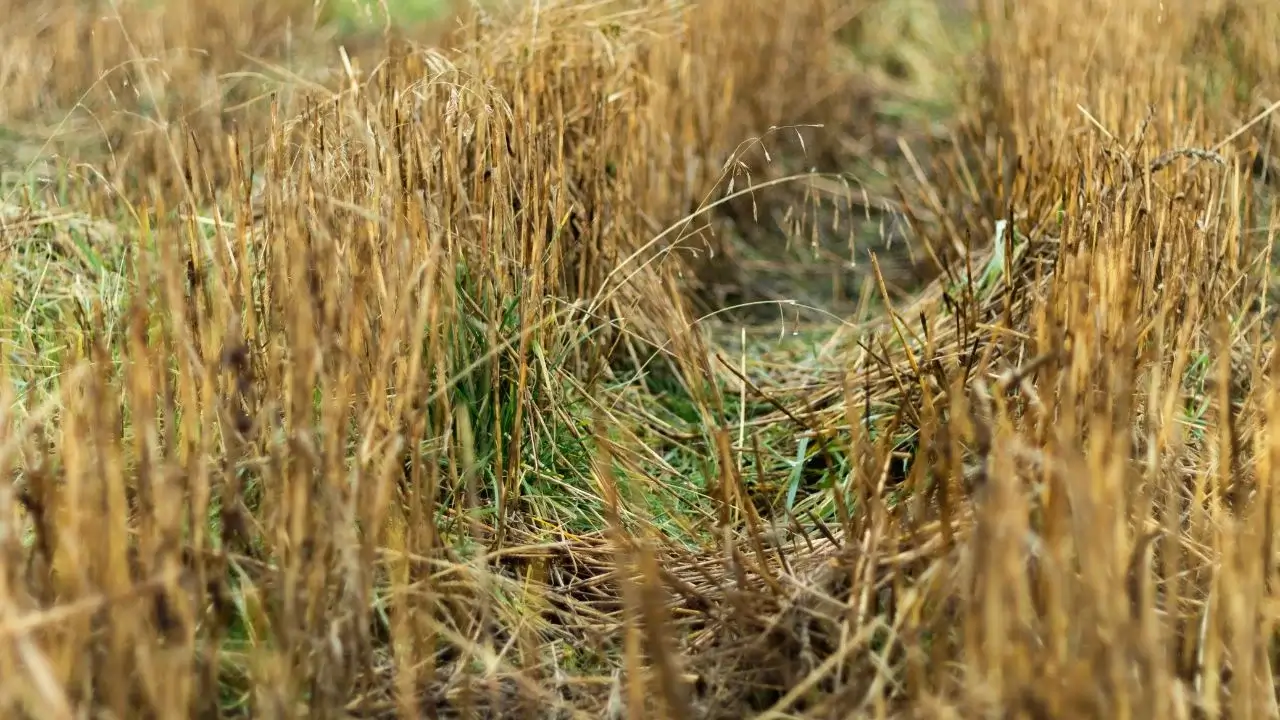
Before farmers kill cover crop plantings, they should decide which method they want to use. Each is best suited for specific farms, though all will work. The termination goal should be to build soil biomass in the process.
Mowing
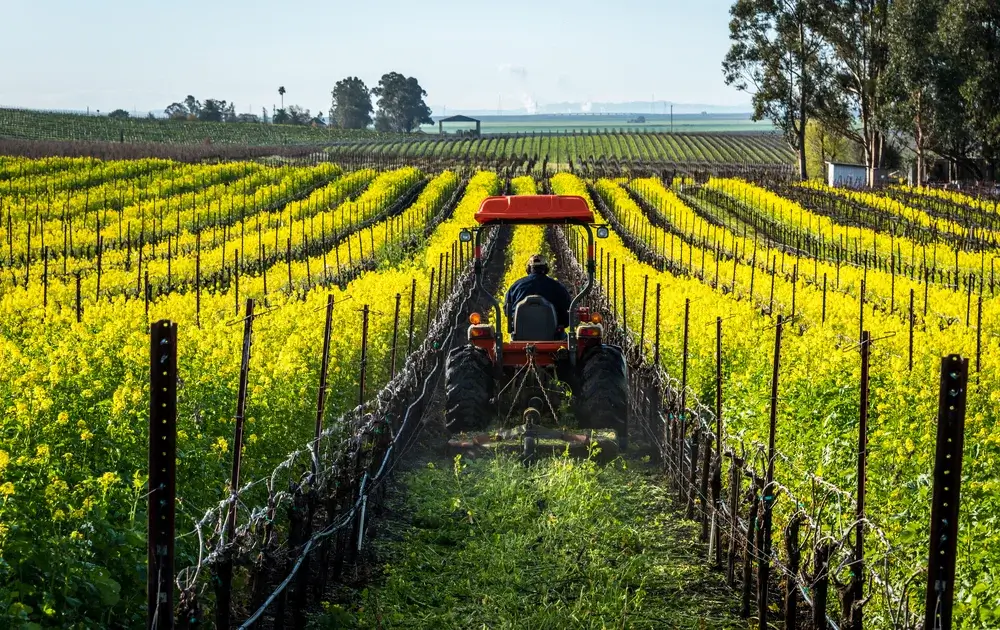
This is an easy and fast method for eliminating the crop, and leaves roots in the ground for building biomass. Cover crops should be cut as close to the ground as possible. In this machined chop-and-drop, it’s best to use a mower that has multiple blades to ensure the remaining plant matter breaks down easily.
Farmers who grow barley, cereal rye, and vetch will have the least problems with mowing, as long as the timing is right. It’s best to kill cover crop plantings this way when flowering has begun, but seed formation hasn’t. Similarly, planting by hand is recommended for post-mowing, as drill planting can be difficult in roots that face multiple directions.
Natural Kill
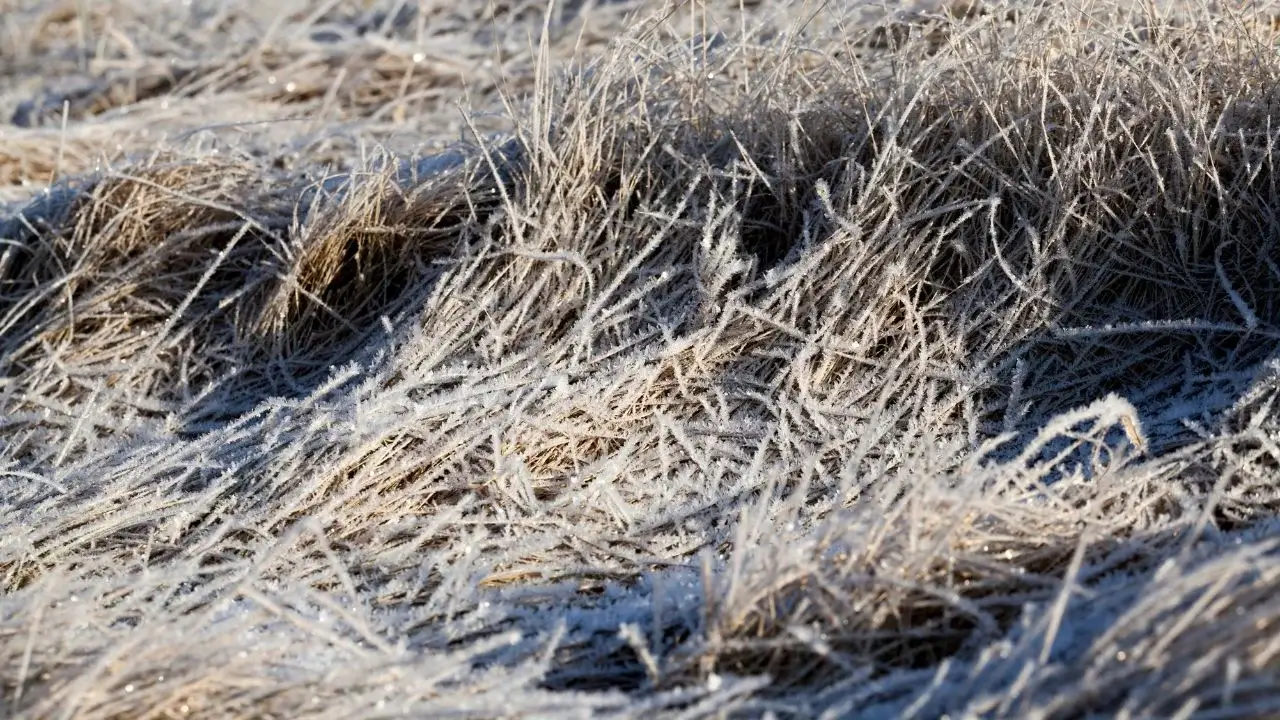
Farmers in cold regions can simply let the winter kill the crop with freezes. This method won’t work in areas with no persistent cold weather. In this method, timing the planting is important, as seeding with enough time to reach the flowering phase generally occurs in mid to late summer.
Oilseed radish, sorghum, buckwheat, and field peas are good crops for natural winterkill. Oats and rye can remain in winter cold and should be terminated in other ways. Otherwise, the plants will continue to flower and reproduce on site, making management difficult.
When spring rolls around, planting can begin right in the mass of cover that was there in winter. However, having no living roots in the soil for an entire season can exacerbate erosion and soil exhaustion.
Tilling
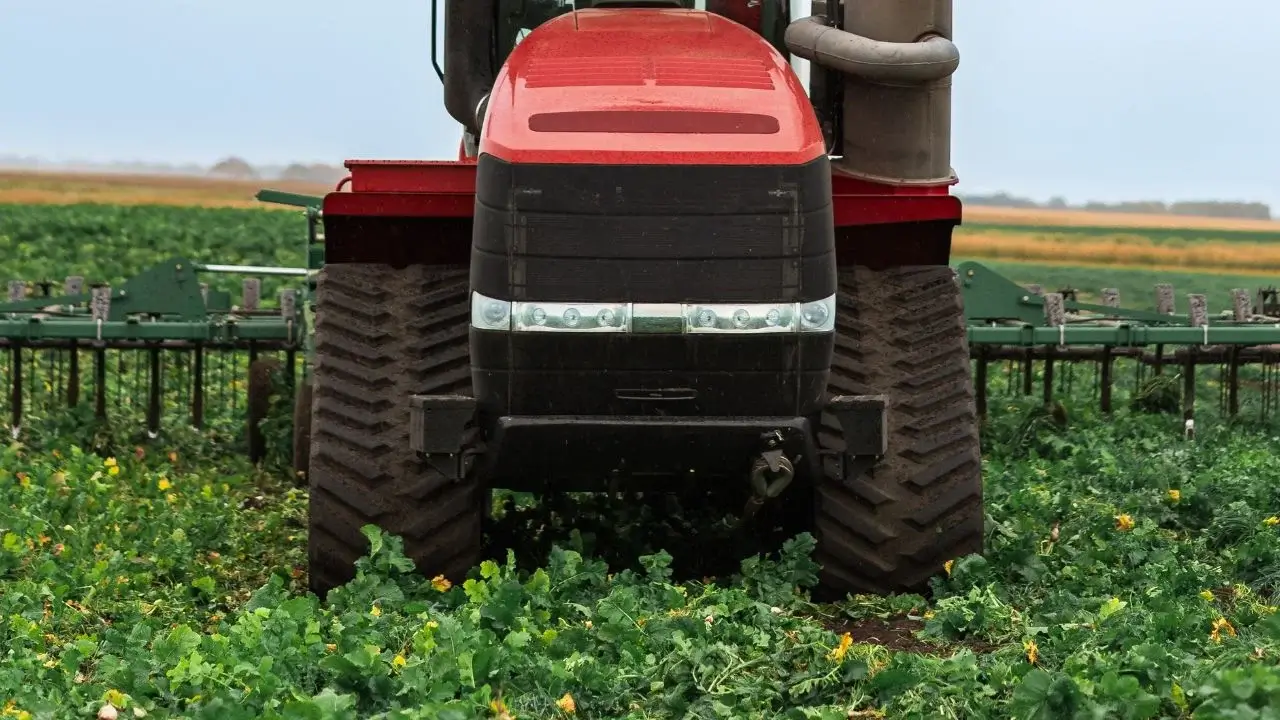
Using a tiller that is suited to fields with plants growing in them (as opposed to bare fields), farmers can kill cover crop plantings. However, tilling will remove roots from the ground, exacerbating issues with soil biomass loss. If farmers plan to till out their cover crops, the best practice is to immediately amend and plant another crop.
Still, this method is good for persistent cover crops, like winter rye, which will continue to grow unless their roots are removed from the ground. In that regard, growers in warmer areas may find tillage is a good alternative to winterkill.
Roller Crimping
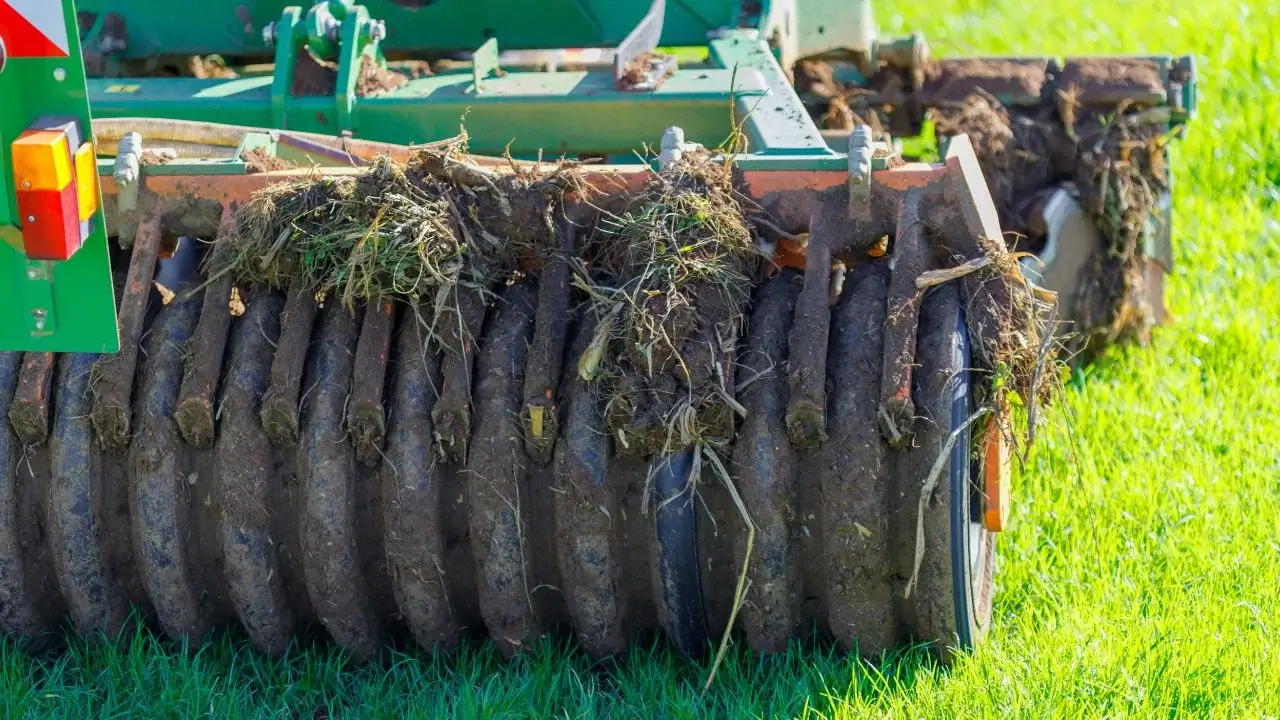
With a roller crimp, growers flatten the cover crop material over the soil. Subsequently, blades from the roller chop up the remaining material, making decomposition easier. It’s best to employ this tool at the reproductive stage, when flowers have just opened. This limits regrowth and builds soil biomass at the same time.
Use a roller crimp for annual cover crops, as perennial and biennial roots will persist in the soil with this method. Another factor to consider is that this method requires a tractor to which the roller-crimper attaches. It may not make the most sense for a smaller parcel of land to invest in this kind of machinery.
Grazing

Ranchers can use heavy grazing as a way to kill cover crop plantings. This is best used when the crop in question is a nutritional forage for the specific livestock that live on the land. Oats and peas are excellent forage, as are cereal rye, oats, and barley. The difference between termination this way and others is that the planting density should be at 150% to 200%.
Dairy cows digest forage best when it’s in early growth stages, so winter crops aren’t as suited to them as they would be for beef cattle. This is also not a great option for farmers who want to grow native grasses, which tend to have deep roots that will persist even after they’ve been heavily grazed.
There are other important considerations. For one, cattle should be loosed on the field when it’s dry, as foraging moist fields can deplete soil biomass. In cloudy and cool conditions, nitrates can become toxic to cattle. The most effective means for this termination is to confine the herd in a small space on a sunny, dry day for a short time.
How to Get Started With Regenerative Grazing: 5 Recommendations
If you’re a rancher who wants to work toward a regenerative pasture model, you don’t have to do it all at once. Instead, focus on a few small, simple steps. You’ll be working a regenerative grazing operation in due time.