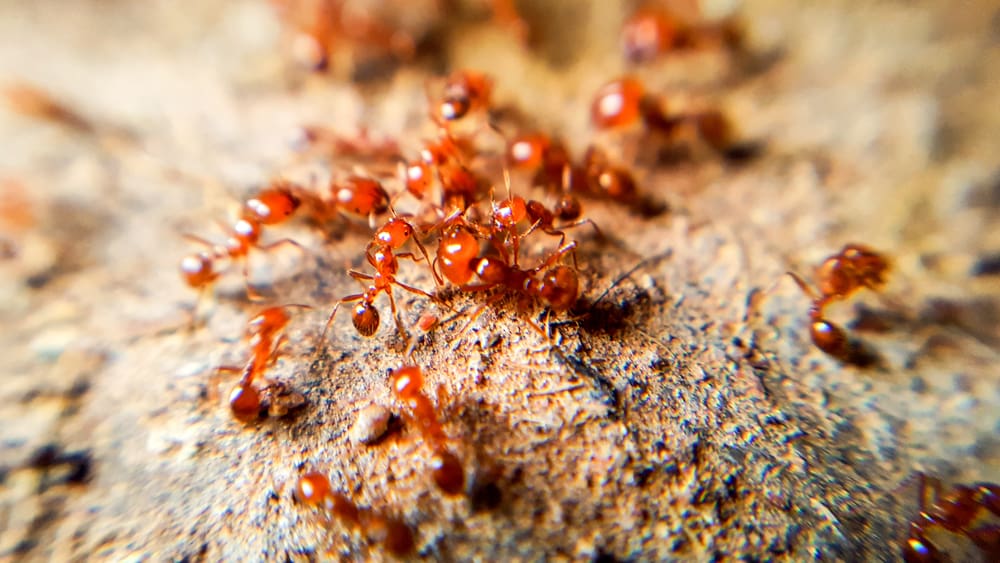
Image: Shutterstock
THE detection of a fire ant nest at a freight hub in Sydney has raised concerns about Australia’s biosecurity protections, with opposition and crossbench members calling on the Government to do more.
On September, national border officers conducted routine surveillance at an Approved Arrangement Facility in Strathfield, Sydney, and found ant specimens in a trap – according to the Federal Department of Agriculture. The ants were confirmed to be red imported fire ants (Solenopsis invicta) on 25 September. DAFF officers attended the site, found one nest comprised of two mounds, within concreted areas and the nest was treated.
One Nation MP Barnaby Joyce has been one of the most vocal critics of the Government’s response to the outbreak.
“I thought they had just been discovered but they discovered them a month ago,” he said to parliament in a video posted to his Facebook page.
“This is an incredibly dire issue for agricultural Australia and for the recreation areas of Sydney.
“If it gets into cattle areas, because your cattle keep walking they can’t stop and your production levels go down – same thing for sheep.”
Mr Joyce followed up the speech in parliament with a second video saying he had heard from some people that the nest was actually detected last year. Beef Central contacted Federal Agriculture minister Julie Collins, who is standing by the timeline it presented this week.
More transparency needed from the Government
Nationals MP Darren Chester said it was important that the Government was transparent in its management of the outbreak, as it has been found in an area with trains that travel across the state.
“Early detection gives us the best chance of stopping fire ants, and they have been wiped out at Port Botany before. But detection is only the first step. We need a swift, coordinated response from the Commonwealth and the New South Wales state government, with thorough surveillance and tracing, to make sure any further nests are found and destroyed,” Mr Chester said.
“Tens of thousands of containers move through that site. Australians deserve to know where they went, how these ants got in, and whether there are weaknesses in the systems meant to keep them out.
“The government says this is the system working as it should. A detection is a good thing, but the nest was not brand new when it was found. We need to be sure border surveillance is catching these pests sooner.
“The National Fire Ant Eradication Program funding is due to expire in June 2027 and the next phase hasn’t been secured. It would be reckless to let uncertainty over funding undermine years of eradication work, especially with a new incursion now detected in Sydney.”